国家電気工事規定(NEC)に基づくモーター保護:モーター回路_module 2
3:10
The video discusses how the United States and Canada use their own standards for electrical motor protection, such as the National Electrical Code (NEC) in the US, instead of the International Electrotechnical Commission (IEC) standards used in many other countries. NEC Article 430 outlines the requirements for motor circuits, including a main disconnect, short-circuit protection, motor controller, and overload protection. These components can be separate devices or integrated into one, such as the combination motor controllers classified from Type A to Type F in UL 508. Eaton's Moto starter MSC, for example, is an all-in-one device that combines these functions, ensuring compliance with safety standards.
The video discusses how the United States and Canada use their own standards for electrical motor protection, such as the National Electrical Code (NEC) in the US, instead of the International Electrotechnical Commission (IEC) standards used in many other countries. NEC Article 430 outlines the requirements for motor circuits, including a main disconnect, short-circuit protection, motor controller, and overload protection. These components can be separate devices or integrated into one, such as the combination motor controllers classified from Type A to Type F in UL 508. Eaton's Moto starter MSC, for example, is an all-in-one device that combines these functions, ensuring compliance with safety standards.
Related videos for "video circuit protection"
-
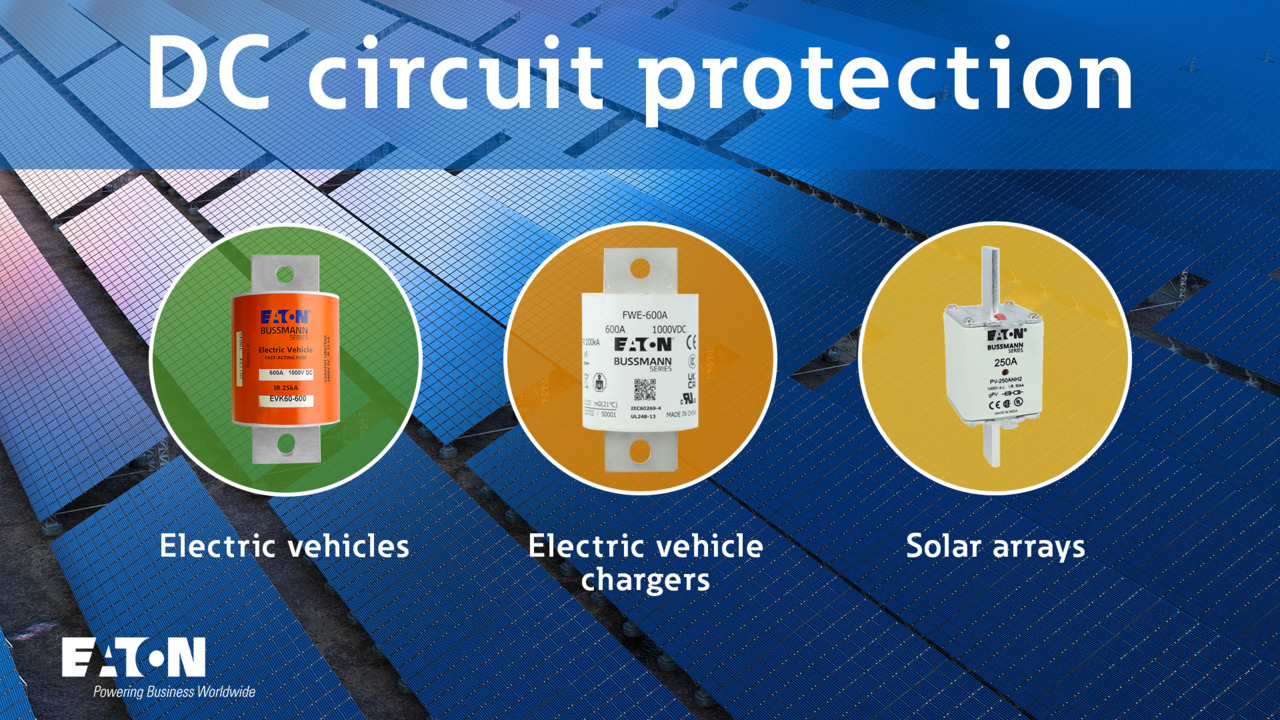
Direct current (DC) circuit protection | Eaton PSEC
9:59
Learn about direct current (DC) circuit protection and its critical role within energy transition applications, which inherently produce DC energy. Also, explore the differences in how they are applied within solar applications.
-
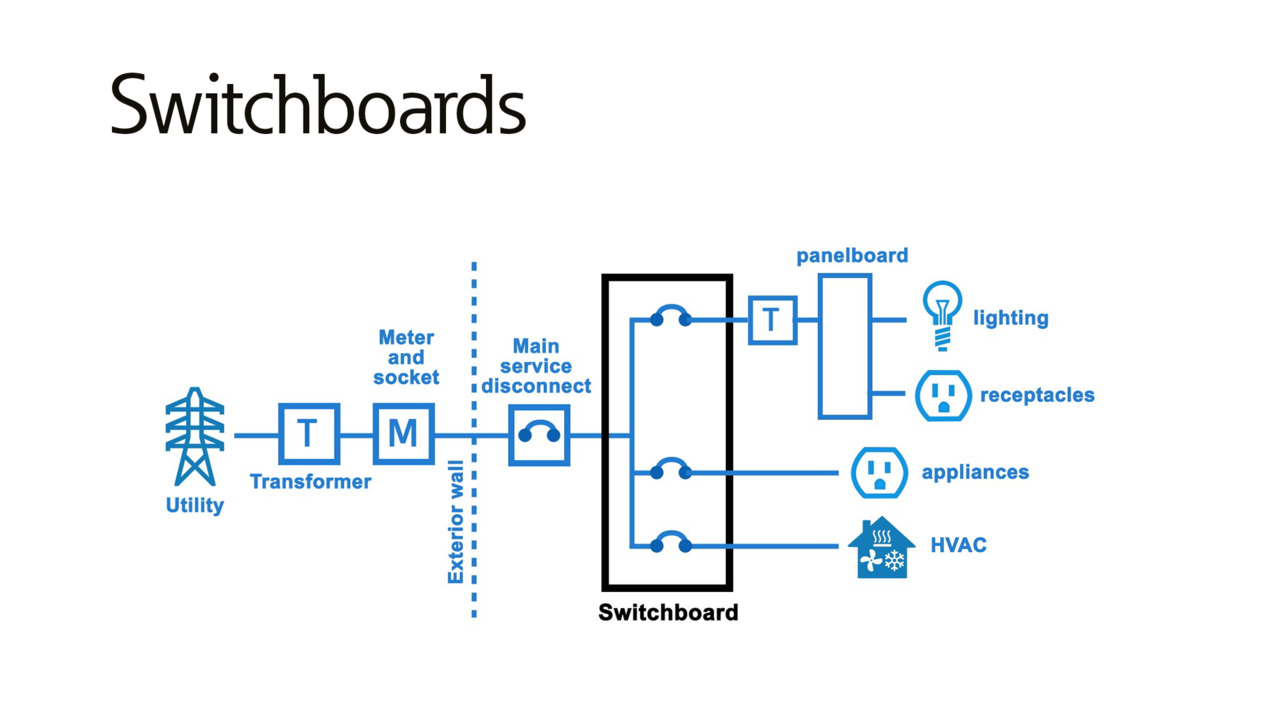
Switchboard basics
13:46
Introduction to switchboards and how they are used to safely distribute electricity throughout commercial and industrial facilities.
-
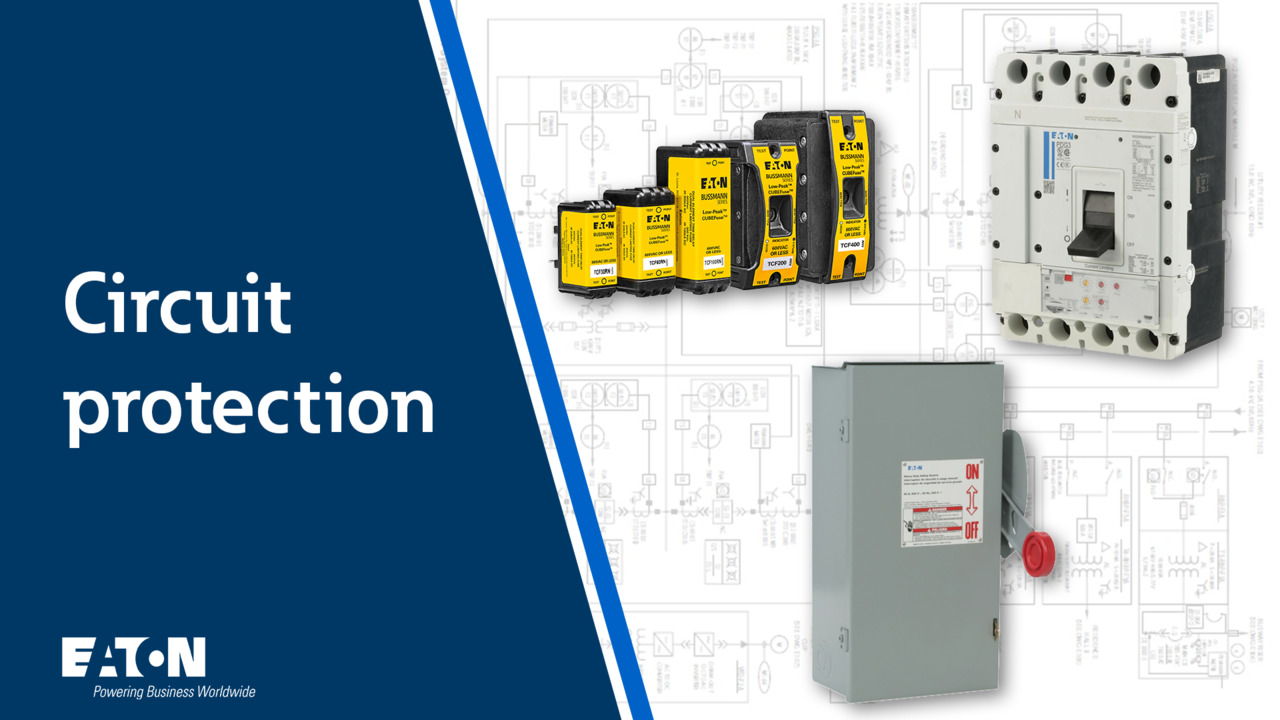
Circuit protection | Eaton PSEC
9:15
Circuit protection is a system of devices used to protect electrical circuits from electrical faults such as short circuits, overcurrent, and high temperature. Common circuit protection devices include circuit breakers, fuses, and protective relays.