Navigating overvoltage protection
49:20
0:00 - Introduction 1:52 - What cause a surge? 5:19 - Governing standards for induced lightning and ESD 8:54 - Threat examples and failure modes 12:56 - How an overvoltage device works 13:32 - Types of overvoltage protection and technology comparison 30:10 - Selection criteria 33:28 - Application examples In the realm of electronics design, safeguarding circuits from overvoltage events is paramount to ensure reliability and longevity. This technical presentation delves into the selection of overvoltage protective components, focusing on three key technologies: Transient Voltage Suppression (TVS) diodes, Metal Oxide Varistors (MOVs), and Polymer Electrostatic Discharge (ESD) Varistors. We will explore the operational principles, application scenarios, and performance characteristics of each technology. TVS diodes, known for their fast response times and low clamping voltages, are ideal for protecting sensitive semiconductor devices. MOVs, with their high energy absorption capabilities, are suited for handling large surge currents in power applications. Polymer ESD varistors offer a compact solution for protecting against ESD events in portable and consumer electronics. The presentation will provide a comparative analysis of these components, highlighting their advantages and limitations. Attendees will gain insights into the criteria for selecting the appropriate overvoltage protection based on factors such as response time, energy handling capacity, and form factor. By the end of the session, participants will be equipped with the knowledge to make informed decisions in designing robust and resilient electronic circuits.
0:00 - Introduction 1:52 - What cause a surge? 5:19 - Governing standards for induced lightning and ESD 8:54 - Threat examples and failure modes 12:56 - How an overvoltage device works 13:32 - Types of overvoltage protection and technology comparison 30:10 - Selection criteria 33:28 - Application examples In the realm of electronics design, safeguarding circuits from overvoltage events is paramount to ensure reliability and longevity. This technical presentation delves into the selection of overvoltage protective components, focusing on three key technologies: Transient Voltage Suppression (TVS) diodes, Metal Oxide Varistors (MOVs), and Polymer Electrostatic Discharge (ESD) Varistors. We will explore the operational principles, application scenarios, and performance characteristics of each technology. TVS diodes, known for their fast response times and low clamping voltages, are ideal for protecting sensitive semiconductor devices. MOVs, with their high energy absorption capabilities, are suited for handling large surge currents in power applications. Polymer ESD varistors offer a compact solution for protecting against ESD events in portable and consumer electronics. The presentation will provide a comparative analysis of these components, highlighting their advantages and limitations. Attendees will gain insights into the criteria for selecting the appropriate overvoltage protection based on factors such as response time, energy handling capacity, and form factor. By the end of the session, participants will be equipped with the knowledge to make informed decisions in designing robust and resilient electronic circuits.
Related videos for "video circuit protection"
-
Transformers 101
23:23
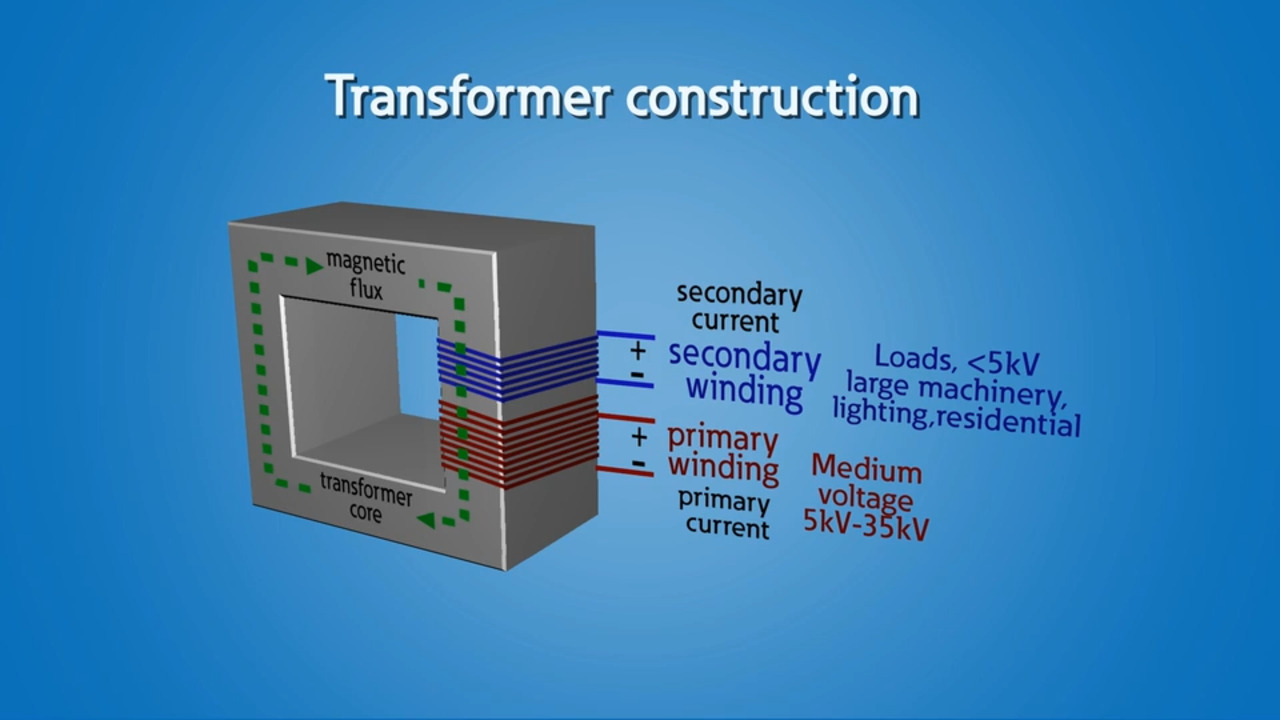
Principal Engineer Sam Reed explains transformers in detail. He covers: construction, life and loading, protection, codes and standards, operation, maintenance, storage, and accessories.
-
Application of Motor Protective Circuit Breakers and Motor Protection according NEC
10:42
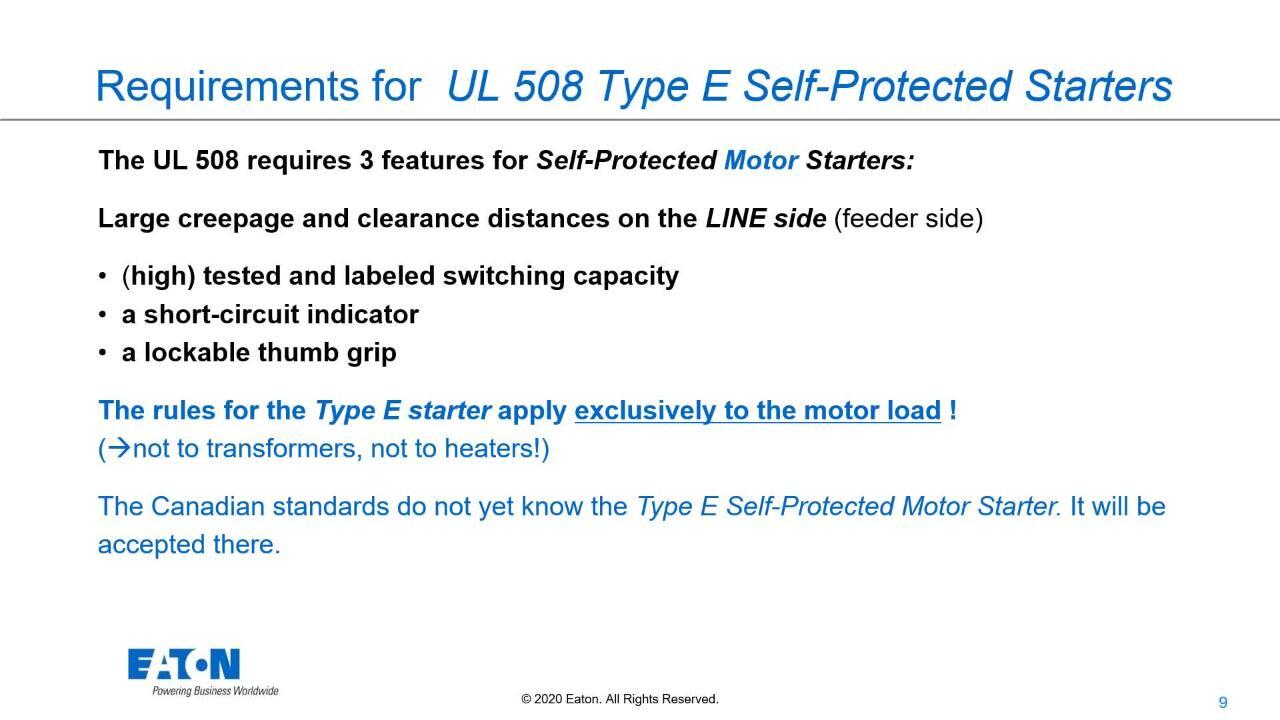
The video of dirk Meyer describes the application of motor protectives circuit breakers and motor protection according NEC. For example with type E "Self-Protected Motor Controller" or type F "Combination Motor Controller" or two component starters
-
Panelboard basics | Eaton PSEC
14:34
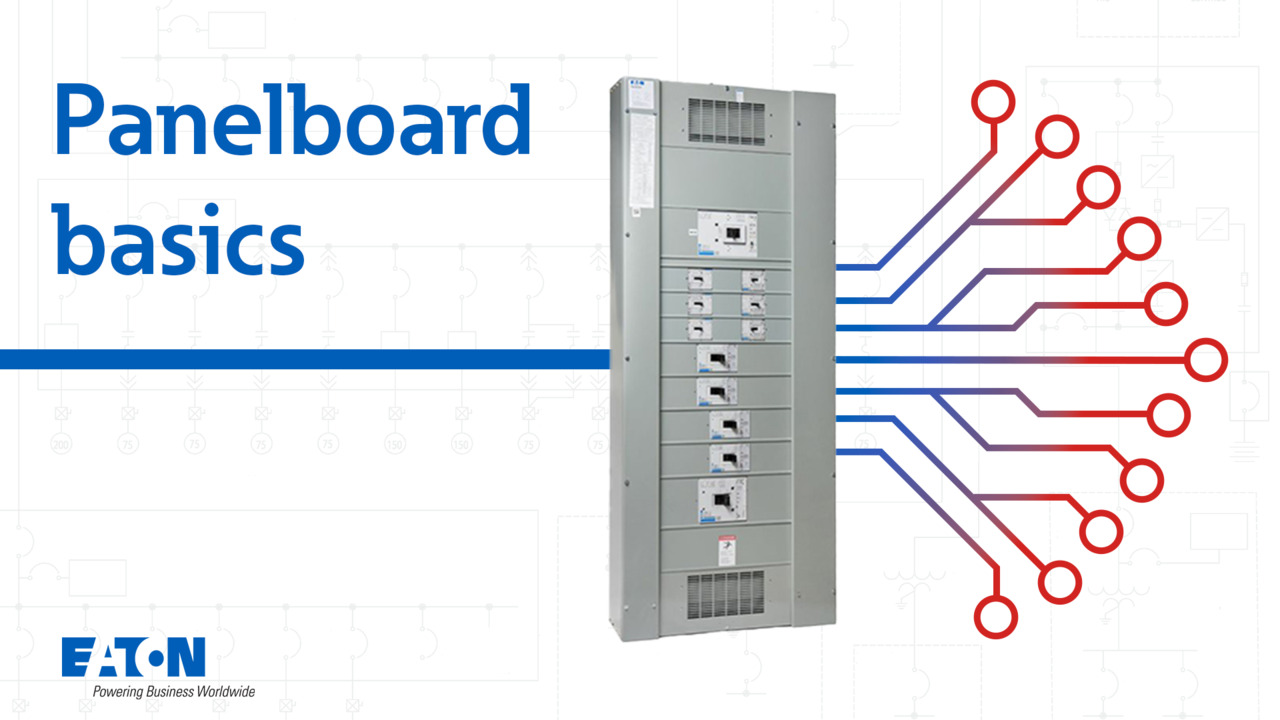
Panelboards are used to safely distribute power by dividing a main power feed into branch circuits with a breaker or fuse, all within a common enclosure. Learn about panelboard components, design, types, standards, and applications.